Leading the Search for New Approaches to Health
Our program trains students to scientifically assess and understand the safe practice and efficacy of complementary and integrative medicine.
Info SessionsOur program trains students to scientifically assess and understand the safe practice and efficacy of complementary and integrative medicine.
Info SessionsThe Integrative Medicine & Health Sciences name reflects our curriculum’s focus on integrating the latest scientific advances in biomedicine with complementary medical practices — from acupuncture and massage, to functional/integrative nutrition, herbs and supplements, to mind-body interactions.
The program emphasizes rigorous scientific, evidence-based thinking in examining the practices and therapies pertaining to human body functioning, disease processes, pharmacological mechanisms, biochemical pathways at the cellular and molecular levels, and psycho-neuro-immuno-endocrine interactions.
We help students understand and appreciate the principles and philosophies of globally diverse medical systems; provide the skills and foundational knowledge to critically evaluate various modalities; and prepare students for advanced education toward careers in clinical care, research, administration, or regulatory affairs and policy related to complementary and integrative medicine.
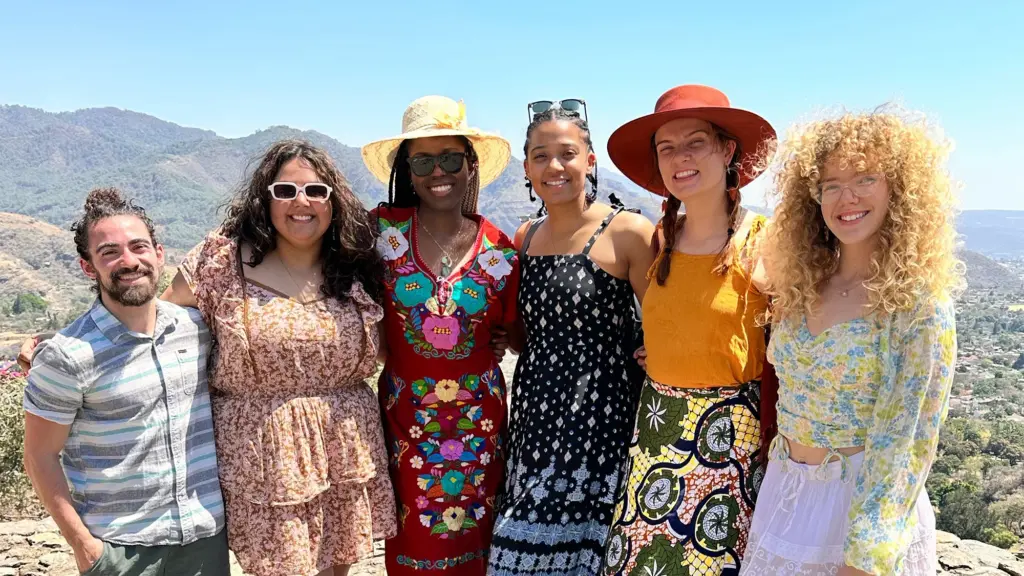
IMHS Students Practice Traditional Medicine in Mexico
Via GUMC: Understanding how a patient’s cultural background may impact their health is an important skill for health care providers. Over ten days this March, six Integrative Medicine & Health …
“I reached out to friends and colleagues across various hospital systems, and made it a point to visit potential job sites in person to get a feel for the culture and work atmosphere.”…
Lessons from 1,000-Year-Old Medicine
From the GUMC Archive: IMHS Director Hakima Amri shares what she learned while translating a foundational medical text – and what today’s health professionals can learn from world medical heritage.…